The angle between the chin and the neck is one of the strongest age signals in a profile, and it is set by fat, muscle and bone position together. Where fat is the dominant factor, suction sharpens the angle in a single short operation. Where the flat neck muscle has separated or the small bone under your jaw sits low, suction alone will disappoint - and the difference is obvious on examination.
Neck liposuction is done under sedation in about an hour, and stitches come out on day five. We almost always treat the pad under the chin and the jawline in the same session, so your profile reads as one line.
What is neck liposuction?
Neck liposuction removes the fat layer under the jaw and along the front of the neck, through small cuts under the chin and behind each earlobe. It sharpens the angle between the jaw and the neck.
It treats fat above the muscle. A neck that is full because of loose skin, a heavy muscle band or the position of the jaw needs a different operation, and suction alone would not improve it.
Why must the neck be assessed before liposuction?
- Fat, neck muscle bands and the position of the bone under the jaw produce similar-looking fullness and need different treatments
- Suction sharpens the angle only when fat is the dominant component, so we examine rather than assume
- Skin retraction under the neck is less reliable than under the chin, which changes the plan after 45
- Tightening is applied during the same session to support settling
Am I a good candidate for neck liposuction?
You have soft, pinchable fat between the chin and the thyroid cartilage, your skin still snaps back, and your jaw angle is definable when you lift your chin. Younger patients with a heavy neck at a normal body weight are the clearest indication.
Visible vertical bands when you tense the neck indicate neck muscle bands. That is a lift or neck muscle repair question, not a suction question, and we will explain which one applies to you.
Which areas does neck liposuction treat?
- Front of the neck, where fat sits between the chin and the thyroid cartilage
- Submental fat pad, treated as one unit with the neck
- Jaw angle, so the mandible border becomes visible
- Outer neck below the ear, where fullness blurs the jaw line
- Optional lower cheek and jowl, when the fullness continues upward

How is neck liposuction performed?
01. Seated assessment
Fat, muscle and bone contributions are separated by examination while you sit upright.
02. Sedation
Short sedation with continuous monitoring by an anesthesiology specialist.
03. Micro-puncture access
Entry points behind each ear and under the chin, a few millimeters each.
04. Layered suction
A fine cannula works above the flat neck muscle in even passes across the whole field.
05. Tightening and closure
Skin tightening helps the neck settle, your stem cells go back in, and the openings are closed.
How long is recovery after neck liposuction?
| Time after surgery | What to expect |
|---|---|
| Day 1 to 3 | Facial band worn continuously; swallowing feels tight but is unaffected |
| Day 4 to 5 | Sutures out on day 5; presentable with a scarf |
| Week 2 | Bruising clears; the angle starts to appear |
| Month 1 to 3 | Skin settles and the profile becomes final |
What results can I expect from neck liposuction?
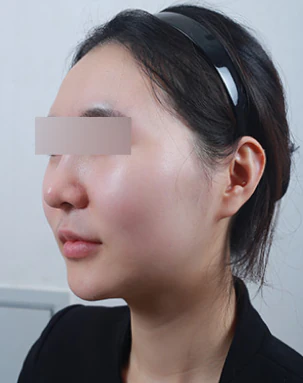
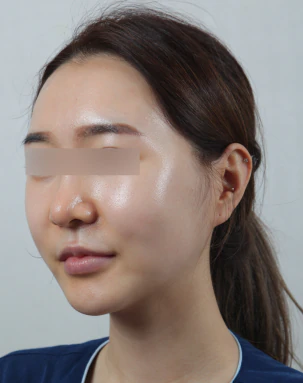
The profile improves within two weeks and continues to refine to month three as skin settles. The endpoint we aim for is a defined jaw line with a soft, even layer beneath it. An over-suctioned neck looks skeletal and reveals every band, which is the outcome we design against.
What aftercare do I need after neck liposuction?
- Facial band continuously for three days, then nightly for two to four weeks
- Sleep with the head elevated for the first week
- Soft diet for three days, and avoid heavy lifting for two weeks
- Two aftercare sessions included, with lymphatic care for the jaw and neck available
What are the risks of neck liposuction, and how do we reduce them?
Bleeding, inflammation, infection, temporary numbness, asymmetry, irregularity and, rarely, transient a small nerve near the jaw weakness are the recognized risks of neck contouring.
- Suction stays above the flat neck muscle, in a plane that protects nerve branches
- An even protective layer is preserved rather than stripping the neck bare
- Where banding or laxity predicts a poor suction result, we recommend a lift instead
- Anesthesia is managed by a specialist with real-time monitoring
Neck liposuction or a neck lift - which is right for me?
| Neck liposuction | Mini lift | Injection lipolysis | |
|---|---|---|---|
| Treats | Fat | Skin and muscle laxity | Small fat volume |
| Downtime | 5 days | 1 week | Same day |
| Sessions | One | One | Three or more |
| Best when | Skin retracts well | Bands or sagging present | Very small pockets |
What do neck liposuction results look like?
Cases from our own archive, photographed in the clinic and published with written consent. Each caption says how long after surgery the photo was taken.
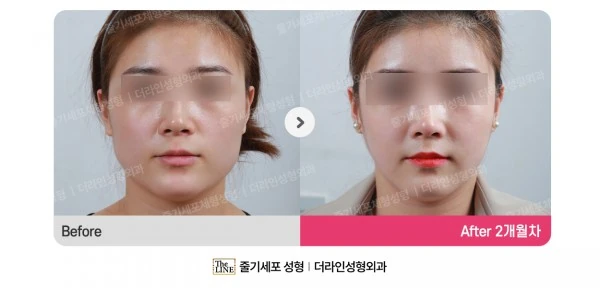
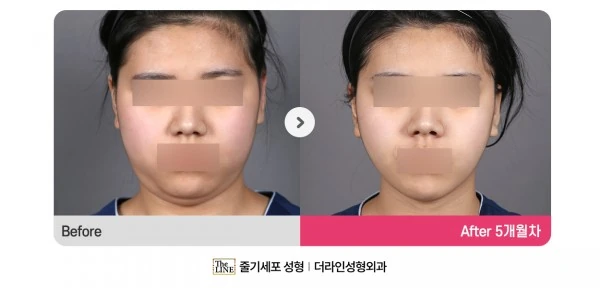
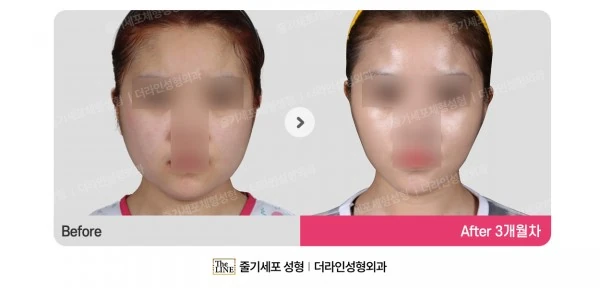
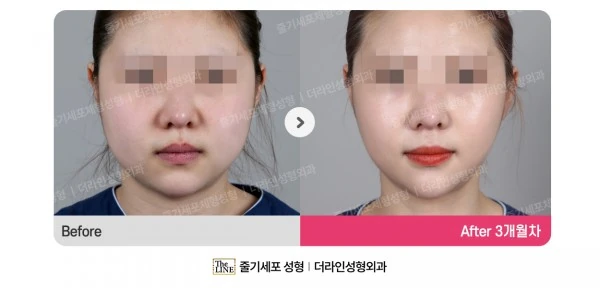
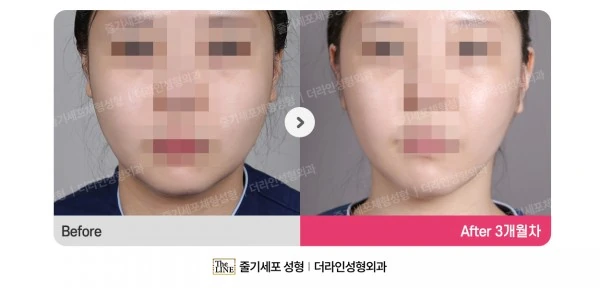
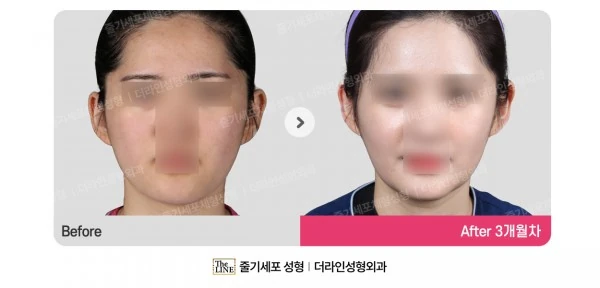
Outcomes differ from person to person, and side effects such as inflammation, bleeding and infection are possible. These are individual patients, not averages.
Neck Liposuction in Apgujeong: more questions
They overlap and are usually planned together. Double chin treatment focuses on the pad under the chin; a neck plan extends down the front of the neck and out to the jaw angle so the whole profile is continuous.
Younger skin with good elasticity retracts well, and tightening is applied during surgery to support that. After the mid-forties, retraction becomes less predictable and a lift is often the more honest recommendation.
Most patients are comfortable being photographed from about week two, and the angle continues to improve until month three.
Yes. A one-hour neck case adds little to a body plan, and the only extra aftercare is the facial band.
A defined angle between chin and neck reads as younger more strongly than most facial treatments. It works when fat is the cause and your skin still springs back; after the mid-forties a lift is often the honest answer.
No clinic can answer that about itself. Compare instead whether the assessment separates fat from loose skin and muscle banding, since suction only helps one of the three.