The calf is the region where the wrong operation is most often sold. Stand on tiptoe and look at the widest point: if it hardens and rises, the bulk is calf muscle, and no amount of suction will reduce it. If it stays soft and can be pinched, fat is the dominant component and liposuction is a reasonable option.
For muscle-dominant calves the appropriate treatment is calf botulinum injection, a ten-minute procedure with no downtime, which we perform routinely. For fat-dominant calves and thick ankles, suction is quoted within our special-area category. The consultation decides which one you are.
What is calf liposuction?
Calf liposuction removes the subcutaneous fat of the lower leg and ankle with a fine cannula, through cuts behind the knee and at the ankle. It only works when fat, not muscle, is what makes the calf wide.
The layer here is thin and close to the skin, so the operation is about control rather than volume. Most thick calves are muscular, and suction changes nothing in those cases.
Why is calf assessment done before anything is planned?
- Muscle and fat produce visually similar thickness but respond to completely different treatments
- The lower leg has a thin subcutaneous layer, so over-suction shows immediately as waviness
- Circulation and drainage in the calf are slower than anywhere else, which lengthens the swelling phase
- Where the answer is botulinum rather than surgery, we say so - it is a shorter, cheaper and reversible route
Am I a good candidate for calf liposuction?
Your calf stays soft when you rise onto your toes, the fullness can be pinched, and your ankle lacks definition around the bone. Patients whose lower legs stay thick despite a slim upper body and stable weight are the typical candidates.
If the muscle hardens and dominates the shape when you stand on tiptoe, calf liposuction is the wrong operation and we will not perform it. Botulinum injection to the calf muscle is the correct alternative and takes about ten minutes.
Which areas does calf liposuction treat?
- Inner calf, the inner curve that shows most in skirts
- Back of the calf, where the fat layer sits over the muscle belly
- Ankle, so the transition from calf to foot regains definition
- Knee, inner side, where an untreated pad shortens the visual leg line
How is calf liposuction performed?
01. Standing and tiptoe assessment
Muscle and fat contributions are separated before anything is marked.
02. Sedation
Managed by an anesthesiology specialist, with continuous monitoring throughout.
03. Access
Micro-incisions are placed behind the knee crease and near the ankle.
04. Conservative suction
A fine cannula removes fat in low-volume passes, deliberately leaving an even layer.
05. Stem cells and closure
The stem cells go back in, the incisions are sutured and compression stockings are fitted immediately.
How long is recovery after calf liposuction?
| Time after surgery | What to expect |
|---|---|
| Day 1 to 3 | Compression stockings full-time; walking is encouraged but stiff |
| Day 4 to 7 | Desk work resumed with elevation, sutures out on day 7 |
| Week 2 to 6 | Swelling improves slowly; the lower leg holds fluid longer than any other region |
| Month 3 to 6 | Final calf and ankle line assessed |
What results can I expect from calf liposuction?
The ankle usually shows definition first, within about six weeks. The calf itself takes three to six months to read clearly, because swelling resolves slowest in the lower leg. Expect a refinement of the line rather than a dramatic reduction - the honest ceiling for fat-dominant calves is a cleaner silhouette, not a different leg.
What aftercare do I need after calf liposuction?
- Compression stockings full-time for three days, then daytime wear for six to eight weeks
- Elevate the legs whenever seated for the first two weeks
- Walk hourly while awake; avoid standing still for long periods
- Delay long-haul flights until at least ten days after surgery, with stockings worn in flight
What are the risks of calf liposuction, and how do we reduce them?
The lower leg carries a higher risk of prolonged swelling and irregularity than any other liposuction region, alongside the usual risks of bleeding, inflammation, infection, numbness and asymmetry.
- Conservative volume with an even protective layer, because thin skin shows every deficit
- Immediate and prolonged compression with structured elevation instructions
- Early mobilisation to protect circulation, with the risk of blood clots reviewed pre-operatively
- We decline surgery where the calf is muscle-dominant rather than treating it anyway
Calf liposuction or calf botox - which one do I need?
| Calf liposuction | Calf botulinum | No treatment | |
|---|---|---|---|
| Treats | Subcutaneous fat | Muscle bulk | - |
| Downtime | 5 to 7 days | None | None |
| Duration | Permanent | Repeat every 6 to 12 months | - |
| Best for | Soft, pinchable calves | Hard, prominent muscle | Muscular athletes |
What do calf liposuction results look like?
Cases from our own archive, photographed in the clinic and published with written consent. Each caption says how long after surgery the photo was taken.
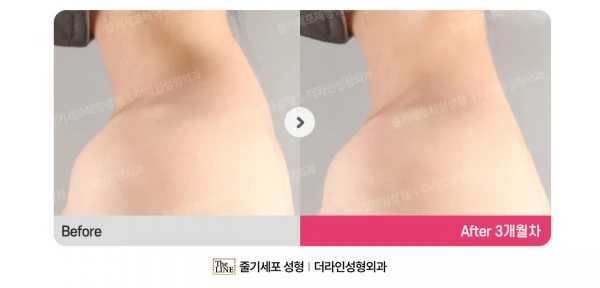
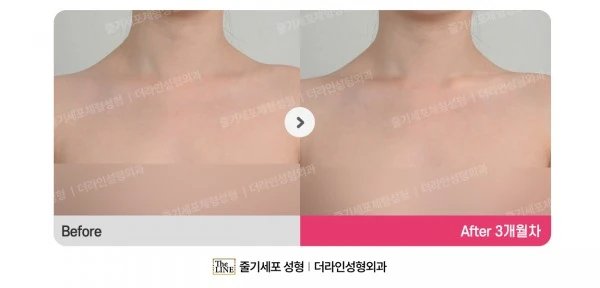
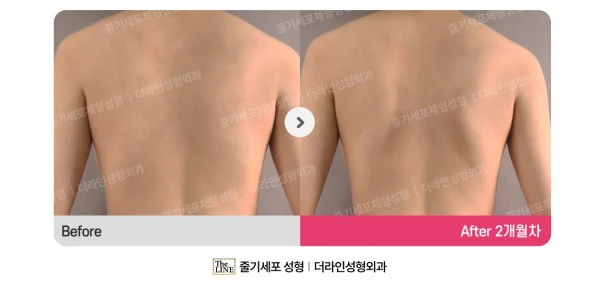
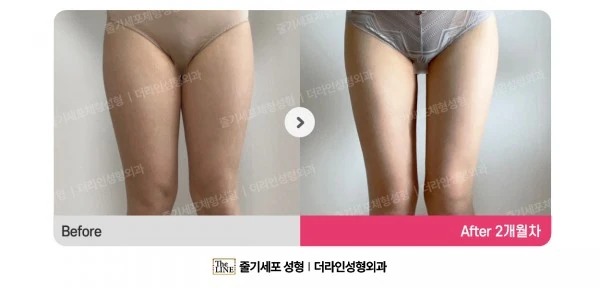
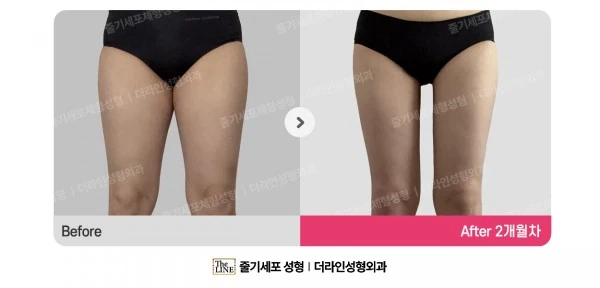
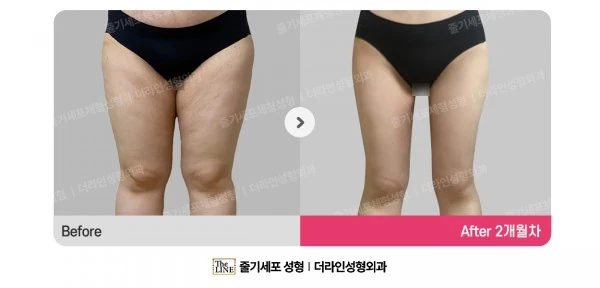
Outcomes differ from person to person, and side effects such as inflammation, bleeding and infection are possible. These are individual patients, not averages.
Calf Liposuction in Gangnam: more questions
Stand on tiptoe in front of a mirror. If the bulge hardens and rises, it is muscle; if it stays soft and pinchable, it is fat. We confirm by examination, and the answer decides whether we offer surgery at all.
Lymphatic drainage in the lower leg works against gravity and is slower than in the torso. Compression, elevation and regular walking shorten the phase, but three to six months to a final result is normal here.
Yes, and it is often the better plan because the leg is judged as one line. Total volume and operating time are checked against safe limits, and we stage the plan when they would be exceeded.
Any lower limb surgery carries the risk of blood clots, which we assess before surgery and manage with early mobilisation, compression and a delay before long-haul flights.
It is safe in the right patient, but the lower leg swells longer than anywhere else and the honest result is a cleaner line rather than a different leg. If your calf is muscular we will refuse the surgery and offer botulinum instead.
It is the wrong question to ask a clinic. The right one is whether they will tell you your calf is muscular and decline the operation, because that answer is more informative than any ranking.